Showing posts with label Best of 2013. Show all posts

Saturday, June 21, 2014

Best of 2013: Picture & Lead Actress

Alright, it's time to finish this thing. Saved my favorite category for second-to-last:


Best Actress
  • Amy Adams for American Hustle, for discharging precarious poise, mettle, craftiness and vulnerability where it counts, dizzyingly juggling accents, registers, allegiances and personas and believably making us wonder whether she's pulling one over on the eccentric cast of characters or herself.
  • Adèle Exarchopoulos for Blue is the Warmest Color, for fully assimilating the film's French title (The Life of Adèle) and not only painting us a full, insatiable portrait of the titular character's sexual awakening but also richly vivifying each little lived-in detail about her.
  • Margarethe Tiesel for Paradise: Love, for injecting such odd empathy into Seidl's pitiless observations and conceptions while portraying the middle-aged woman's desperation with a complex, unnerving chaser of self-sabotage and self-deception, cajoling her lovers to lie to her, emotionally and physically.
  • Robin Weigert for Concussion, for keeping sex scenes, quotidian interactions and relationships alive and informative of character, showing us a candid, unassuming take on the Restless, Unfulfilled Housewife and neither condescending to nor sugarcoating Abby's agitations or frustrations.
  • Shailene Woodley for The Spectacular Now, for refusing to furnish Aimee with any diamond-in-the-rough padding, sweetly and honestly playing an intelligent, lovely-but-ordinary young girl who deserves happiness and earns our admiration for her.

Honorable Mentions to Sandra Bullock & Melissa McCarthy for The Heat, the latter of which obtained the most plaudits between the two for her signature brilliance in boldfaced but revealing comedic stylings, but is evenly matched by the former's diligent, wonderfully subversive straight-lady repackaging of her comic persona. Bonus points to both for deciding to build a study of blooming female friendships around the generic pastiche of mismatched buddy-cop comedies and adding lovely edges of warmth and character-specific detail; Rachel Mwanza, who navigates War Witch's tricky, clear-eyed approach to its subject and lends the film its most sobering moments of introspection, taking Komona through a harrowing journey and circling back with an emotional sucker-punch of melancholy and newfound hope; Anne Dorval and Suzanne Clèment both excel in I Killed My Mother and Laurence Anyways, respectively, two separate films from Xavier Dolan (the first being his 2010 debut that wasn't realeased commercially in the U.S. until 2013) that serve as trenchant actressing springboards in both cases; Meryl Streep, who shocks the world and turns in a pretty great performance for once in August: Osage County, undertaking a Big, juicy role to be sure, which is a little concerning after the surprising humanity of Hope Springs, but the showboating feels more appropriate here than it did in The Iron Lady, and she adds a lot of compelling facets to the theatricality that's required of her; Cate Blanchett, who's also saddled with a mammoth of a part in Blue Jasmine; a mammoth of a part, like Streep's, that I'm not entirely convinced is honestly conceived as-written, but Blanchett manages to make Jasmine's hemmed-in characteristics of surface instabilities cohere through sheer force of charisma and cubistic vitality, single-handedly making Jasmine Allen's most fascinating protagonist since those acridly confrontational couples from Husbands and Wives; and Julie Delpy, whose inimitable luminosity is key to making Before Midnight's existence necessary, resuming her warm, funny and thistly portrait of Celine with new marital baggage and hurdles and understandably being loath to succumb to either. And those are just the ones that were fighting for third/fourth/fifth spots.

I also loved Greta Gerwig in Frances Ha, Brie Larson in Short Term 12, Danai Gurira in Mother of George, Rosario Dawson in Trance, Veerle Baetans in The Broken Circle Breakdown, Jane Adams in All the Light in the Sky, Amanda Seyfried in Lovelace, Chiarra Mastroianni in Bastards, and Rooney Mara in Side Effects.


Best Picture
  • 12 Years a Slave, for offering us the kind of bold, emotionally enveloping artistry that we often deny our "Prestige" studio fare or austere (and, in this case, oft-neglected) subject matter and managing to let it enrich and marry both.
  • The Act of Killing, for finding ways to conceive a probing and ruminative film around one man's obscene past, even when bravely (if somewhat problematically) eschewing context and siphoning formal power through its subject's disturbing interpretations.
  • Bastards, for sort of being Trouble Every Day all over again, with even queasier (and more soberingly earthbound) implications towards upper-class French society and domineering men, finding in one man's suicide another's gradual descent into sordidness and deception.
  • The Bling Ring, for being an unexpectedly spry opportunity for its director to mix up her aesthetic and tackle different angles of humor and perspective, and serving as a vessel for heterogeneous characters and thematically vital stylistic surfeit.
  • Inside Llewyn Davis, for showing the Coens' "softer" side while remaining an intriguing and honest encapsulation of their recurring themes, moods and interests, considering their established strengths and weaknesses in exploring all three.
  • Leviathan, for pure sensory transference that immerses its audience in an endless cycle of environmental nightmares and a haunting nautical milieu, matching even the likes of Gravity in how-do-they-do-that visual chutzpah.
  • Like Someone in Love, for continuing Kiarostami's hot streak in involving and intellectually playful two-handers, without feeling like he's overplaying his hand or exploring familiar territory, carefully measured in thought and skepticism.
  • Mother of George, for having the technical temerity to tell a story of systemized cultural mechanics through apt stylistic panache, using it to enhance rather than undermine emotions and character development from the script.
  • Paradise: Love, for detailing the Sugar Mama sex tourism scene in Kenya and linking it to a brutal and scathing tale of one woman providing men lessons in skilled manipulation over her own emotions, sneaking potent doses of empathy.
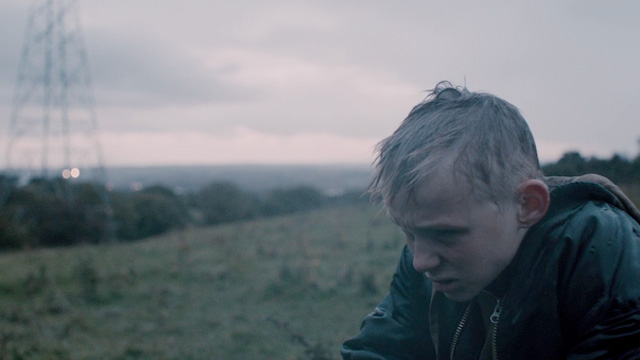
  • The Selfish Giant, for steeping one foot in tacit acknowledgement of its titular inspiration and the other in valiantly suffocating subject matter finding ways for both to intersect, dramatize and oddly reflect one another.

Honorable Mentions begin with that frustratingly close #11 spot, Blue Caprice, and then move on to more festival holdovers from prior years like War Witch, I Killed My Mother, I Want Your Love, and In the Fog. All five have had durable staying power for me, and might even move higher on the list if I were to give them another whirl. And then Before Midnight, which had the potential to be in the top 10 if not for those prominent quibbles that I talked about in the Screenplay category, but the effortless elasticity of its two leads go a long way in helping it succeed, and it definitely does more right than it does wrong. You can see what else I liked and how I'd rank the actual nominees by visiting my Top 10 list.

And that's it for the personal ballot! I really hope that anyone who's been reading has enjoyed it, and even if you haven't been enjoying it, don't be shy! Leave a comment with your own favorites. I'm especially interested in your choices for Best Actress and anything you feel that I might have overlooked.

Now that we can move on from 2013, stay tuned for more topical posts that I have in the works.

Sunday, June 15, 2014

Best of 2013: Lead Actor


Best Actor
  • Bradley Cooper for American Hustle, for emanating qualities of overconfidence, hot-tempered eagerness and misguided intentions that are barely contained or aware of themselves, equaling his SLP performance in tonal acrobatics while achieving a generous rapport with his castmates.
  • Oscar Isaac for Inside Llewyn Davis, because it's hard to imagine the film clicking as strongly as it does without his presence, bearing a lifetime's worth of (self-induced) misfortune and using sharp, eclectic forms of comedy and pained human detail to inch Llewyn towards his weary reckoning.
  • Hugh Jackman for Prisoners, for hinting at helplessness but displaying pure animalistic veneer in the wake of tragedy, most especially when the plot piles on absurdities, and for providing a smart deconstruction of the Dutiful Avenging Family Man trope and of his own persona.
  • Matthew McConaughey for Dallas Buyers Club, for also boiling down the essential components of who he is as a performer, but showing us what his career has the potential to be, packaging newly rejuvenated charisma, physicality and perceptive character detail into a bonafide star performance.
  • Isaiah Washington for Blue Caprice, for a smart adherence to unsettling instability amongst Moors' elliptical construction and unpleasant moods, conveying a man with an odious persecution complex who has a very strong possibility to mold a directionless kid into a dangerous human being.
How appropriate that I publish this list on Father's Day since four of the characters that the actors portray are fathers, though I don't actually remember whether its even mentioned that Ron Woodruff has a daughter or not in Dallas Buyers Club (which he did in real life). I know his paternity wasn't as vital to the story as Isaac's, Jackman's, or Washington's.

Honorable Mentions start with the young Conner Chapman in The Selfish Giant, who's constantly challenged to fluidly fluctuate between being pugnacious and generally caring (sometimes within the same scene), and having to have his entire world come crashing down around him while staying in the naturalistic hew set up by his director; and Chiwetel Ejiofor in 12 Years a Slave, who is key to providing the film an understated conduit for empathy and lending nuance to McQueen's hyperbolic style, showing us the ways in which he learns to keep his head down over the years and the utter devastation he exudes with his reluctant involvement in scenes like the whipping scene. These two were fighting tooth and nail for those fourth and fifth slots, but are just as laudable regardless of their unfortunate omission.

Honorable mentions continue with Israel Broussard, who shows sweet elation to his new friends' acceptance and blind desperation to please them in The Bling Ring; Vincent Lindon, who serves as an emptied-out sexual and cerebral embodiment of the mythic, rock-nosed noir hero in Bastards; Joaquin Phoenix, who handles against-type tasks so deftly in Her, like the natural amiability he shows around Amy, the daffiness he lets loose during the first-date scenes between he and Samantha or how measured and revealing he makes scenes like the lunch with his soon-to-be ex-wife; Mads Mikkelson, who  has to work around a jerry-rigged script to provide an honest characterization of a man who's lost everything in the otherwise turgid, The Hunt; Bruce Dern, who does everything in his power to keep Woody from feeling one-note, adding a myriad of colors to his shame, humor, and aloofness amidst Nebraska's cajoling of easy gags and empty ranking of characters; Paul Eenhorn, who imparts This is Martin Bonner's title character with solitary reticence, and who avoids the lazy routine of viewing his religious crutch in a sneering, judgmental eye, painting his observer-reactor with wisdom and lust for life just waiting to shine through; Ali Mosaffa, who manages to make the twisty but faintly revealing nature of The Past's plot and character dynamics compelling, laying out a complicated history with Marie and a rich specificity in those promising opening scenes and warm approachability during the lunch with his stepdaughter; Miles Teller, whose charming turn as a wise-ass but intoxicatingly friendly high-schooler in The Spectacular Now transcends the surface teen alcoholism PSA and finds ways to earn our concerns and sympathies for the track that Sutter is going down; Ethan Hawke, who continues to make Jesse an endearing but slightly insensitive "roosterprick", constantly catching himself with his foot placed firmly in his mouth, even in his later, more weathered years in Before Midnight; and Tom Hanks, who starts off at one level as the cipher-ish titular captain in Captain Phillips and lets the entire film build to some of his most emotionally stripped-down moments than we've ever seen from him in the cathartic release of the film's ending.

Friday, June 13, 2014

Best of 2013: Direction


Best Director
  • Clio Barnard for The Selfish Giant, for working from an emotionally wrecking palette of hardscrabbling working-class dynamics and social realism, achieving bold depth of naturalism and narrative velocity, without The Arbor's oppressiveness.
  • Ethan Coen & Joel Coen for Inside Llewyn Davis, for conceiving an ill-fated protagonist in a misanthropic hew but veining his hardships with an emotionally tender throughline, subtly invoking dusty, era-specific nostalgia and bruising, ornery cheekiness to do so.
  • Alfonso Cuaron for Gravity, for being prodigious in scope, ambition and craft without feeling airless or mechanical in execution or style, achieving a limber braiding of intimacy, empathy and urgency in each of his marvelous sequence constructions.
  • Claire Denis for Bastards, for setting up taut, shard-like frames, surfaces and insinuations while balancing sensuous and stoic approaches to confrontational material, and for linking the film's seedy undercurrents and social-political adroitness in ways that serve the story cogently.
  • Steve McQueen for 12 Years a Slave, for seeing trickier, more truthful angles of observation in Solomon's story than I suspect Ridley's otherwise good script does, employing his distinctive strengths of elevated style to evoke a devastating ordeal.

Honorable Mentions begin with Joshua Oppenheimer for The Act of Killing, who immediately grabs our attention with the audacity of his conceit and, barring the one little quibble about insufficient context, keeps the novelty of it sobering, head-spinning and world-crushing; Sofia Coppola for The Bling Ring, whose gifts with mood and rhythms feel riskier than they usually and more adventurous when applied to its satirical bent; and Andrew Dosunmu for Mother of George, who manages to distribute cultural and familial unease across a bevy of memorable characters and bracing visual schemes.

The rest of the honorable mentions are filled out by (in alphabetical order): Noah Baumbach for Frances Ha; Xavier Dolan for I Killed My Mother; Spike Jonze for Her; Abbas Kiarostami for Like Someone in LoveHarmony Korrine for Spring Breakers; Terrence Malick for To the Wonder; Alexandre Moors for Blue Caprice; Kim Nguyen for War WitchUlrich Seidl for Paradise: Love

Thursday, June 12, 2014

Best of 2013: Cinematography

The last of the technical categories! Only four more categories to go until we can put this year behind us.


Best Cinematography
  • Emanuel Lubezki for Gravity, for taking this technology to bolder and more excitingly resourceful places than his effects-driven predecessors in the Oscar-equivalent category ever have, finding a rich distillation of light, space, lensing and action-specific mobility all within its green-screen confines.
  • Bruno Delbonnel for Inside Llewyn Davis, for devising a frigid yet crystalline palette that serves key themes, settings and moods while demonstrating a remarkable sensitivity to faces and silhouettes, and for bouncing so deceptively off of the Coens' visual conceptions.
  • Bradford Young for Mother of George, because beyond the fact that he's one of the few DPs working who can favorably light darker-complected actors, he's also tremendously adept at enriching emotions, tones and dramatic textures, finding vivid and engrossing observational angles to set the scene with.
  • Benoit Debie for Spring Breakers, for integrating a hypnotic gallery of mobile lensing and neon, sun-kissed and sterile sources of light to relay a mystical yet deftly investigative glance into the spring break ethos, if only for its first 40-50 minutes alone.
  • Emanuel Lubezki for To the Wonder, for sustaining Malick's familiar kinship with capturing crunchy, gold-leafed landscapes and ecstatic angles of natural light and allowing both to serve as a microcosm for the film's living and dying relationship at its core.

Honorable Mentions were tough to boil down in such a strong year, but I hated having to exclude the fabulous streetlight gleam of Bastards; the dreamy excess of The Bling Ring; the unflinching detail of 12 Years a Slave's camera; even more gliding beatification from Bradford Young with Ain't Them Bodies Saints; and the awe-inspiring mechanics behind
Leviathan's almost-literally-down-in-the-gears visual sculpting. These five would have made a worthy lineup all on their own, so consider them my extreme honorable mentions.

From a cinemtography perspective, I also liked (in alphabetical order): All is Lost, The Grandmaster, Her, Only God Forgives, Post Tenebras Lux, Prisoners, and The Selfish Giant. And no, I was not impressed by Nebraska's cinematography.

Tuesday, June 10, 2014

Best of 2013: Supporting Actress


Best Supporting Actress
  • Amy Adams for Her, for eliciting the film's most generous and delicate gaze through which we view Theodore, assembling a sharp economy of warmth, sensitivity, communication and frustration and never once allowing any of these facets to box Amy in as the obvious alternative to Samantha.
  • Scarlett Johansson for Don Jon, for infusing full-flavored enthusiasm and lived-in personality into a regressive caricature, embracing her voice and voluptuous body language to embody a real person with real flaws/strengths and to engage with comedic and dramatic beats in significant ways.
  • Lupita Nyong'o for 12 Years a Slave, for refurbishing the script's propensity for takes on character types with a distillation of angular forms of speech, amplified physicality, and an honest approach to a sympathetic character all of which make the idea of this girl a more potent concept than it is on paper.
  • Léa Seydoux for Blue is the Warmest Color, for candidly suggesting what it is about Emma that attracts Adele's voracious gaze, hewing to a chewy, cerebral concept of her sexuality, and for the strands of composure, aggression, and desire that manifest in the break-up and post-break-up scenes.
  • Emma Watson for The Bling Ring, for deceptively integrating Nikki into the middleground of the group and narrative curves and staying true to such a scabrous and tetchy satirical portrait when navigating a wide range of panic, petulance and repentance, slyly allowing all to play in her favor.

Honorable Mentions: These five ladies are so terrific (and if I'm being honest, were also the five nominees that I had the easiest time settling on) that I didn't even feel as bad as I usually do about leaving smaller, less high-regarded performers/performances out of the shortlist that would nevertheless make fine nominees on their own, like Ela Piplits in Museum Hours, who enters about halfway through the film for one guest lecture on Brueghel, flirting with deliberate didacticism while fully submerging herself as just one fascinating component of a bigger portrait; Julie Bataille in Bastards, who balances frazzled, petty and abrasive reactions to traumatizing news and piles even more layers to them when we find out information that only she was privy to; Sarah Paulson in 12 Years a Slave, who utilizes razor-sharp actorly instincts in vivifying this unnerving portrait of a slave-master's wife who turns out to be just as vicious as her husband; Angela McEwan in Nebraska, who sweeps in at just the right moment when the film is beginning to feel flabby and provides its most poignant and fully felt grace notes as Woody's former fling; and Mickey Sumner for Frances Ha, who is tasked with making Sophie the spitting spiritual image of the titular character (only with different hair) and then her foil, while managing to kindle a whole off-screen history behind their friendship.

Further honorable mentions are rounded out by Alfre Woodard in 12 Years a Slave; Verena Lehbauer in Paradise: Hope; Nadezhda Markina in In the Fog; Kristin Scott Thomas in Only God Forgives; Maggie Siff in Concussion; Suzanne Clement in I Killed My Mother; and Rebecca Jenkins in Stories We Tell.

Tuesday, June 3, 2014

Best of 2013: Costumes

Look at me being really close to finishing a project. And in such semi-consistent doses, too!


Best Costume Design
  • Michael Wilkinson for American Hustle, for the too-many-to-count miracle-numbers worked on Adams, alone, as well as the constant button rearranging on Cooper's part-detective, part-disco hothead; nearly everyone looks like they're playing a role in the best way possible.
  • Suzy Benzinger for Blue Jasmine, for her distinguished efforts in distilling the looks of wealthy New York socialites and California bohemians and making both familiar Allen tropes seem less generic and built more from a character than they have since Bullets Over Broadway.
  • Stacey Battat for The Bling Ring, for terrifically rendered and appropriate choices for the characters as well as its easy-target satire, finding model-shoot-ready garments for both the celebrities' stolen fashion items and the "normal" clothes. Bonus points for the courtroom apparel.
  • Francois Barbeau & Xavier Dolan for Laurence Anyways, for warmly suggesting real emotions, real complications, and real people beneath the (gorgeously designed) period-specific affectation, even though I wish a little more effort had gone into Laurence's overall look.
  • Mabolaji Dawodu for Mother of George, for playing into the film's visual motifs so beautifully and preserving the tonal reticence from which its observations emerge, adding just as many richly arranged textures to its characters as its exquisite cinematography does.

Honorable Mentions (in alphabetical order): 12 Years a Slave, Behind the Candelabra, Blancanieves, Fill the Void, The Grandmaster, The Great Gatsby, Her, Inside Llewyn Davis, Lovelace, No

Missed: The Invisible Woman. *sniffle* Another great letdown of 2013 is that I never saw Oprah's track suit in Lee Daniels' The Butler.


Monday, June 2, 2014

Best of 2013: Ensemble Cast


Best Ensemble Cast
  • Bale, Adams, Cooper, Lawrence, Renner, C.K., Rohm, et. al. for American Hustle, for capitalizing on sizably showy parts and Russell's stirring of star personas (even Lawrence benefits even though she looks out of place in that role), gaining momentum with the amount of actors on screen.
  • Broussard, Chang, Watson, Farmiga, Julien, Mann, et. al. for The Bling Ring, for carving distinct personalities and quiet textures, even those who only have a handful of scenes to do so, nailing the tricky temperament of its central high-schoolers while spryly playing off of one another.
  • Gerwig, Sumner, Esper, Driver, Gummer, d'Amboise, et. al. for Frances Ha, for successfully etching a world outside of Frances's own navel-gazing through a conduit of various lively comic personas, all so crucial in telegraphing important character detail and sustaining its bitter humor.
  • Metzger, Jasper, Purnell, Solano, Bumb, McDonald, et. al. for I Want Your Love, for stimulating the kind of casual sensitivity to camaraderie and romantic bonds that can only come from a troupe of unprofessional but incisive actors, landing subtle variations on the ways that friends/lovers interact.
  • Bernal, Castro, Gnecco, Zegers, Montero, Vadell, et. al. for No, for earnestly selling the film's wavering tone of winking, tongue-in-cheek humor and urgent historical testimony, and for evoking the tangible hazards of pulling off this kind of project under Pinochet's rule.

Honorable Mentions (Alphabetic Order): Behind the Candelabra, Computer Chess, Fill the Void, A Hijacking, In the Fog, Mother of George, Paradise: Love, Prisoners, Something in the Air, The Spectacular Now

Hey, What About:  12 Years a Slave? Solid work from many key players, but not enough interplay with background characters if you ask me; August: Osage County? It's right with my disappointment that a sizable number of its terrific cast couldn't match Streep, Roberts, Cooper, Nicholson, or Shepard, resulting in the occasional out-of-synch sequence. Dallas Buyers Club? Which managed a SAG nomination with a script that neglects anyone that isn't Ron, Rayon or Eve, leaving its recognition there a little puzzling to me since it gives its side players so little to do as a result. Lee Daniels' The Butler? I unfortunately missed it, the combination of a busy semester, faltering Oscar buzz, and worrisome reactions ending in me failing to ever catch up with it. Which is sad, since I kind of loved The Paperboy (it probably would've been a contender for this category if I had ever gotten around to it last year).

Sunday, June 1, 2014

Best of 2013: Sets


Best Art Direction/Production Design
  • Adam Stockhausen, Alice Baker, et. al. for 12 Years a Slave, for finding perfect objects to strike McQueen's fascination with wrenching as much story detail and atmosphere out of a scene, like the makeshift pencil/ink or the gears of the boat, and for evoking the dramatic backdrop of the plantation.
  • Andy Nicholson, Rosie Goodwin, Joanne Woollard, et. al. for Gravity, because every element of its story, barring the terrifically chaotic clouds of debris, is right there in its minimalist yet sweepingly interactive set; keeping us in constant stress over what will or won't work in Ryan's favor.
  • K.K. Barrett, Gene Serdena, et. al. for Her, for avoiding the temptation to overtly futurize cityscapes, instead filling them with bold, primary colors, staying in tune with Jonze's airy atmosphere while composing a completely plausible evolution of technology.
  • Unccredited for Museum Hours, for utilizing so many pre-existing locations that an art direction credit would feel redundant, allowing the museum's paintings and sculptures to pass back and forth between the still life depictions of city and character, existing within and mirroring one another.
  • Jack Fisk, Jeanette Scott, et. al. for To the Wonder, for keying up Malick's relationship with nature and linking it to the film's contrasting of the pastoral romantic rapture of France and alluring but antiseptic Americana, and for the purely expressionistic but plausible details of the house.

Extreme Honorable Mentions begin with two animated films, the first being The Wind Rises, which earnestly evokes the dangers of its setting and injects it with the same bouts of whimsy we've come to expect from Miyazaki, and the second is the more flat-out fanciful, Ernest and Celestine, which does like to show off just a bit, but emerges with such genuine and loving ardor with its clever world-building. Speaking of show-offy, Xavier Dolan's Laurence Anyways starts at 11 with its production values and never quite dials it down during its nearly three-hour running time, from the disco to the house inhabited by the family of drag queens to the cloudbursts of clothing, each frameable image is a keeper, and Behind the Candelabra also gets a glamorous (albeit much more shimmery) treatment to its sets, but in ways that emit the nuance of the story and central romance, beautifully.

Further honorable mentions go to The Selfish Giant, for painting such a stirring, Kes-like portrait of an impoverished milieu; The Bling Ring, for going in a completely opposite direction and showing us a world outfitted by excessive shrines to people's own successes; The Great Beauty, for managing to at least thrill visually where its script doesn't, going all-in on the ridiculous constitutions of Art that its protagonist would be irritated by, even if  I wish the movie as a whole felt less cowed by the familiar techniques that they connote; Only God Forgives, for being unabashed formalistic erotica, even if merely acknowledging it makes me sick to my stomach (which, I'm sure, is exactly what Refn intended); Antiviral, for that amazing billboard of Hannah Geist, and its acerbic construction of a dystopian universe; Mother of George, for using the city, the apartments, and the places of worship to evoke a specific mood and psychology of its characters; and Saving Mr. Banks, for the complimentary Pooh Bear, and for other fun Disney-related product placements nods.

Saturday, May 31, 2014

Best of 2013: Screenplays


Best Original Screenplay
  • Jean-Pol Fargeau & Claire Denis for Bastards, for slipping into so many cryptically rattled heads while concealing their sawtoothed secrets and motives, ingeniously operating within and testing the formal limits of noir/mystery storytelling mechanics.
  • Noah Baumbach & Greta Gerwig for Frances Ha, for conceiving such a slinky and apropos refusal of a more rigid structure and a specific, tragically funny portrait of one of the most daunting protagonists to come from the often perfunctory American indie trend of late-20s ennui.
  • Ethan Coen & Joel Coen for Inside Llewyn Davis, for layering in deliberate steps instead of simply piling on static, misanthropic oddities, supplying sad, ambiguous, tender-hearted, and tragicomic edges to a story haunted by unspoken grief.
  • Abbas Kiarostami for Like Someone in Love, for imbuing his knack for mystery, intimacy and elliptical characterization into a delicate and concise polygon of the types of love (and their implications) that constantly shapeshift with the roles that the two protagonists play.
  • Darci Piccoult for Mother of George, for adorning a semi-commonplace story with peculiar notes and risky insights into the culture and practices of the family at its core, withholding enough information to keep it from feeling too on the nose.

Honorable Mentions kick off with a trio of scripts that the Academy sprung for, but ultimately brought one too many reservations for me to embrace quite as fully as their cohorts, starting with Richard Linklater, Julie Delpy & Ethan Hawke for Before Midnight (I know some, including the Academy, consider it adapted, but I think it belongs here), who craft some stellar sequences like the hotel argument or the Byzantine-era church conversation that come very close to matching the incisiveness of their predecessors while infusing the glowing personal attachment of the trilogy's protagonists and our own investment in their possibly crumbling relationship. But, especially with return visits, the film as a whole shows its stress marks from the weight of audience expectation, forcing awkward, desperate-to-please exposition and thematic foreshadowing in its first 30 minutes or so, which I think is most evident during the film's choppiest scene in which it actually literalizes these concerns as Jesse is having a very long conversation with his writer friend about the large expectations held in regards to his third novel. We then move to Eric Warren Singer & David O. Russell who present American Hustle as a vertiginous amalgam of Russell's typically bristly showcase of character/actor personalities and loopy, caper-soaked plot tropes that aligns so smoothly with the director's sensibilities that it's easy to dismiss how the script isn't entirely up to the tasks laid out by its modest ambitions, focusing a little too intensely on the con by the last act while letting the initially spiny entanglements of its characters fall slightly to the wayside. But some of the script's most bracing moments are a result of the way it's narrative is sculpted, so it's hard to complain too much. Meanwhile, the script that walked away with the whole thing, Spike Jonze's Her, spins a tale from the director's highest concept yet (give or take Being John Malkovich) and takes a distinct and achingly tender-hearted swerve into an emotionally honest adult parable. My only wish is that it would have taken a somewhat subtler approach to its themes to balance the softness of Jonze's tones, and that it could've been about 15 minutes shorter, but, like Hustle, there's just too much to savor here to fixate on the negatives. With my recent second screening of Hustle fresh in my mind, I still think that I'd be a Her voter, though I find a lot of merits in both. There were admirable aspects in the remaining Original Screenplay nominees (the vivid father-son bonds of Nebraska, the tight past and present weavings of Blue Jasmine, and the impassioned but ambiguous relationship between Ron's rancid politics in Dallas Buyers Club), but others that unfortunately rankle (like Nebraska's flat jokes and reliance on stereotypes, Blue Jasmine's generic and unconvincing conceptions, or Dallas Buyers Club's clunkier emotional devices). While I don't revile any of these scripts, it's still hard for me to accept that all three managed to sneak in over Inside Llewyn Davis (or any of my other favorites, for that matter, not that they actually had a chance).

Taking a significant step away from the movies on Oscar's list we'll now turn our attention to scripts that were nowhere near their radar, like Kim Nguyen's familiarly textured but unexpectedly subversive script for his coming-of-age child-soldier drama, War Witch; Ulrich Seidl & Veronika Franz's best entry into the Paradise trilogy, Paradise: Love, which is relentlessly austere, yes, but is counterbalanced by a richly realized protagonist and surprising swerves into empathy; Jem Cohen's spatially complex and involving world-building of Museum Hours, which balances just the right amount of humor, intellectualism and specificity to keep it on its feet; Travis Matthews' revealing and concise, I Want Your Love, which steadily unfolds the relations and details of its tightly-knit queer community with warmth, laughs and introspection; Xavier Dolan's bravely messy debut script, I Killed My Mother, which somehow manages to be the young filmmaker's crowning achievement of jagged, multilateral perspectives on relationships, whether romantic or familial (haven't seen Tom at the Farm or Mommy as of yet, though, not that the opportunity to do so has arisen in the states); Brandon Cronenberg's (yes, that Cronenberg) vicious and tightly-wound body horror-as-satire, Antiviral, which grows wittier and tougher in its conceptions and plotting the further it goes; and Stacie Passon's modest but candidly detailed character study, Concussion, which can feel contrived and just a smidge judgmental but stokes real compassion and tough-edged convictions.


Best Adapted Screenplay
  • John Ridley for 12 Years a Slave, for overriding some overly florid dialogue that, I imagine, feels more awkward actually spoken than it does on the page with powerful construction, historical insight, emotional investment, and subjective POV, treating the subject of slavery with unflinching honesty.
  • Sofia Coppola for The Bling Ring, for acclimating her laconic and diaphanous gifts to an acerbic and unusually witty stranger-than-fiction satire, painting characters, loyalties, celebrities, commodities, and chains of events in a deliciously detached fashion.
  • Sergei Loznitsa for In the Fog, for imposing a workable, patiently-structured narrative onto the bones of the livid, nonlinear dreamscape of his previous film, still probing his own concerns regarding Russian society and leading us to predatory places no one else would go.
  • Pedro Peirano for No, for balancing the tricky trigonometry of political tensions in Pinochet-era Chile and of the allegiances held by its central characters, sliding nimbly between the beats of its Unbelievable True Story conceit without sacrificing context or spirit.
  • Clio Barnard for The Selfish Giant, for starting with Oscar Wilde's four-page, allegorical children's fairy tale and erupting into a bustling story of childhood, friendship and social realism, gracing its disparate narrative with thematic parallels that pay crushing emotional dividends.

Honorable Mentions do not include Captain PhillipsShort Term 12The Wolf of Wall Street, or Phiilomena, all of which inspired their ardent devotees. I like Captain Phillips' script the most, which lends surprising complexity to the Somalians, but gets a hefty amount of assistance from Greengrass's direction and its actors. It was close, but not quite Honorable Mention-worthy. The next two on the other hand had some intriguing moments,  particularly those catered to their leads, but were ultimately too inconsistent to benefit from any of them. The Wolf of Wall Street's script especially feels undone by its director's commitment to ornate but colorless scenarios and by flabby improvisations that abstract any sense of the full-veined characters that many of its fans seemed to find it chock-full of. As previously mentioned, I never saw Philomena.

It wasn't exactly a banner year for this category, but there were a few scripts that I was sad to exclude from the shortlist, like Jennifer Lee, Chris Buck, Shane Morris & Dean Wellins' spiffy and progressive repackaging of Disney formula with Frozen's moving story and convincing characters, retaining the sweetness and beguiling innocence of its kid-friendly core; Abdellatif Kechiche & Ghalia Lacroix's sprawling and multi-layered portrait of Blue is the Warmest Color's protagonist and the relationship explored between she and her beloved; Scott Neustadter & Michael H. Weber's funny, engaging and sympathetic teen dramedy, The Spectacular Now, which has more interesting things to say about blooming young love and misplaced affection than their (500) Days of Summer script; Richard LaGravenese's smartly proportioned breakdown of Behind the Candelabra's romance of convenience that turns into one of tetchy necessity, landing empathetic tenderness and playful flamboyance even through its appropriately bittersweet final images; and Hayao Miyazaki's unapologetically sentimental adaptation of his own comic, The Wind Rises, which coaxes his typical fondness for odd and lovely flights of visual fancy and fairy tale-ish conceits, but shows him chasing thornier ideas than he has in years.

I gave some thought to showing Tracy Letts some love in the Honorable Mentions, if only for August: Osage County's best moments, like Barbara taking control of the house during the raiding of Violet's drug supplies or the dinner and fish lunch scenes. But, as easy and justifiable as it is to blame John Wells and Weinstein interference (Jesus, that ending) on the overall film being underwhelming, I'm not so sure that Letts's script is doing the film that many favors either, despite a few compelling scenes. As much as Wells fails to deliver on Letts's acrid dramatic spark, the script itself never feels distinctively reformatted for its shift in medium while its best scenes alternate with stale, self-satisfied calculations about its characters, half of which only click as much as they do because of its MVP actors.

Saturday, May 24, 2014

Best of 2013: Original Score


Best Original Score
  • Hans Zimmer for 12 Years a Slave, because however much it lifts from his past work, Zimmer's music cues potently balance the heightened emotional directness of its subject with the sincere but open-ended approach to Solomon's catharsis.
  • Daniel Hart for Ain't Them Bodies Saints, for taking the familiar narrative and emotional setup of its pastiche-laden script to unexpected places, indubitably calling up its influences, while offering jittery, alert and affecting edges of its own, however rough they can feel.
  • Stuart A. Staples for Bastards, because even after 18 years of collaboration, Staples remains just as crucial to Denis's prepossessing formal intuition, setting tensile, serrate and eerily sensual tones to his director's slick and shadowy atmosphere.
  • Cliff Martinez & Skrillex for Spring Breakers, for blending so seamlessly into its pop-fueled sound design, not necessarily in a way that induces a vexed superiority, but moreso in a way that evokes the specific and appropriately mystical ambience of the movie and its central characters/figures.
  • Shane Carruth for Upstream Color, for already steering his own film to its inscrutable yet kind of transfixing plane of existence, but also utilizing his formidable and equally mesmeric musical stylings as a way of establishing the mood and setting that are key to its charms.

Honorable Mentions (Alphabetical Order): All is LostAntiviral, Berberian Sound Studio, Blue Caprice, Gravity, Her, Only God Forgives

Missed: Oblivion, Philomena (I know, I know. But I just can not work up the interest.)

Not Released in Time: Mekong Hotel, which would have easily made the top five had it been released in the U.S. (which it probably won't be).

Thursday, May 22, 2014

Best of 2013: Visual Effects & Makeup

What do you know, twice in one day!


Best Visual Effects

  • Timothy Webber, et. al. for Gravity, for its prodigious and utterly phenomenal force of power, staging every effects' painstaking detail across an array of new, authentic settings, while richly culminating the vastness of its protagonist's surroundings.
  • Chris Godfrey, et. al. for The Great Gatsby, for better and worse, aiding Luhrmann's particular brand of glamour and extravagant artifice to bring Fitzgerald's world to life, using digital intervention to induce most of the fabulous locations, color schemes and party guests.
  • Scott Farrar, Matt Johnson, et. al. for World War Z, for flavoring zombie warfare with bold and plausibly chaotic visual concepts (the zombies climbing the wall) and personality, keeping scenes like the airplane crash and the rooftop escape so in tune with its action rhythms.

Honorable Mentions are few and far between, since I missed a good handful of the films that usually make a play for this category (The Lone Ranger, Oblivion, Pacific Rim) and some of the ones that I did see (ElysiumThe Hobbit: The Desolation of Smaug, Thor: The Dark World) have some stimulating moments of CGI, but just as many bombastic or clunky ones. That being said, there was a lot to admire about the large-scale movements in Man of Steel and Iron Man 3, both of which strike me as minor entries into the Superhero genre (well, Man of Steel is a lot worse than Iron Man 3), but also happen to contain some of the genre's most sleekly executed, effects-driven passages in some time. I chose to revert back to the old rules of the Academy for this category, limiting myself to three nominees considering the scarcity of possibilities, but if the inconsistency bothers you that much, you can place those two in the last slots. Star Trek Into Darkness also has some galvanizing moments of visual extravagance, but to be honest, if I were asked I wouldn't be able to distinguish any of them from its predecessor. Meanwhile, Oz the Great and Powerful manages to avoid the garish pitfalls of its similarly conceived cinematic cousin, Alice in Wonderland, with some truly eye-catching visuals, but I thought a lot of the character designs fell flat. And on a much smaller scale, Post Tenebras Lux and John Dies at the End evoke two strong, thematically vital and singular visual ideas through CGI (the "Red Devil" and the soy sauce, respectively), and, saving Gravity, easily top any of the previously mentioned films in sheer technical ingenuity, for sure.

And those are literally all of the films that I seriously considered from what I've seen.


Best Makeup & Hairstyling
  • Ma Kalaadevi Ananda, Adruitha Lee, et. al. for 12 Years a Slave, for acing subtle gradations of scarring and labor-induced grime, leaving room for its stony illustrations of devastating, granitic and paralyzing depictions of cruelty to count for a lot.
  • Lori McCoy-Bell, Evelyne Noraz, et. al. for American Hustle, for so many variations on deliciously belabored character beats, deceitfully echoed through arduously composed, era-specific styles.
  • Kate Biscoe, Marie Larkin, et. al. for Behind the Candelabra, for not only nailing the prosthetic achievements drawn from the plastic surgery story arch, but for lending them such unexpected poignancy as the characters age with them, and also for the convincing look of Liberace.
  • Gretchen Davis, Yvette Rivas, et. al. for Blue Jasmine, for smartly painting the casually fabulous posturing of Jasmine in the flashbacks (also the crucial handsomeness of Baldwin's character) and allowing it to slowly build to that indelible park-bench meltdown, displaying her ruined dye-job.
  • Nicki Ledermann, Cassandra Saulter, et. al. for Inside Llewyn Davis, for expressing lived-in character detail with Llewyn's raggedy, slightly graying hair and understated aging lines of his face, telling mournful prior chapters to Llewyn's life all on their own.
Yes, I technically dipped into the TV world with Behind the Candelabra, but I figured I'd let it slide, considering that this is the supposed swan song of a big-time celebrity director that premiered at the Cannes Film Festival and had a theatrical release across the pond, so it's status as a "TV Movie" is arbitrary at best. Besides, not to spoil everything, but this is the only place it will be recognized.

Honorable Mentions to the makeup teams behind The Bling Ring's flashily groomed nuances; Antiviral's satirically brazen realizations of the latest lines in celebrity flues and cold sores; War Witch's haunting and mythic conjuring of maybe-hallucinated/maybe-real band of spirits; Dallas Buyer's Club's low-budget tackling of declining health (even if it could use a scene or two of visibly sick patients), Lovelace's bouncy, texturized locks and fun 70s styles in the American Hustle vein; The Broken Circle Breakdown's abstract yet character-illuminating tattoos; The Grandmaster's beautifying knack for period work, especially in regards to the always-gorgeous Tony Leung; Berberian Sound Studio's sumptuous gothic overtones; and A Hijacking's juxtaposition of weary, bureaucratic guises and increasingly decomposing maritime men.

Best of 2013: Film Editing & Sound

Three categories down, 14 more to go. This can't possibly end badly.


Best Film Editing
  • Joe Walker for 12 Years a Slave, for sheer clarity of experience and emotion, the compact narrative beats and obscure passing of time heightening the urgency of Solomon's horrifying plight while allowing room for its sobering patches of hesitations and revolving evocation of a specific place in history.
  • Annette Dutertre for Bastards, for weaving intricate strands of constricting narrative threads and elusive character motivations/perspectives, and for always finding new ways to keep Denis's typically elliptical style suggestive yet haunted by queasy premonitions and devastating reveals.
  • Sarah Flack for The Bling Ring, for sustaining wizardly control over Coppola's dizzying rhythms, patterns, and individual panics, characteristics and connections of her privileged, seemingly consequence-free group of adolescent thieves.
  • Roderick Jaynes for Inside Llewyn Davis, for deploying its deceptive, ingeniously conceived two-ply structure with the doleful, dark-circled finesse of a richly textured folk song, the chilly longueurs and daily circumstances of Llewyn's life enriching one another so gracefully.
  • Roger Barton & Matt Cheese for World War Z, for making those elaborate action setpieces brutal and expansive in scope, pardoning the cobbled-together structure with palpable tension, restless pacing, and surprising stakes.

Honorable Mentions begin with Pete Beaudreau for All is Lost and Gordon Grinberg & Alexandre Moors for Blue Caprice who are all so crucial to nurturing their films' most compelling moods and moments, steeping them in physical and psychological immersion, respectively; Adam Nielsen for A Hijacking and
Christopher Rouse for Captain Phillips, both of whom tackle thematically opposite Somali pirate films, but skillfully juggle airtight precision and emotional and political implications; Douglas Crise for Spring Breakers' most potent and hypnotic sequences, deep-sea-diving into the strange but specific world that Debie creates in his images; AJ Edwards, Keith Fraase, Shane Hazen, Christopher Roldan & Mark Yoshikawa for To the Wonder, accumulating Malick's more "minor" ideas/concepts and dilating them into a singular, restless, geographically expansive and deeply personal tale of decaying relationships, despite the occasional ineloquent passage; and Jennifer Lame for injecting Frances Ha with clever, thoughtfully assembled comedic beats and uncontainable bouts of energy that help to layer a frustrating but lovable protagonist. 

I also admired various aspects of AntiviralGravityMuseum HoursThe Selfish Giant, and Upstream Color's cutting, but I have to start drawing the line somewhere. Great year for this category. (I don't know who I'd choose if I included winners on these lists, honestly. All so good!)


Best Sound (Mixing & Editing)
  • Steve Boedecker, Richard Hymns, et. al. for All is Lost, for keeping the film captivating and aurally trenchant as it summons everything from the tranquil but increasingly hazardous lapping water to the mundane sounds of clanking metal and flapping sails to intensify life-or-death situations.
  • Joakim Sunstrom, et. al. for Berberian Sound Studio, for deliciously playing its concept to the rafters and delivering on the ambiguous taste-testing of gruesome and euphonious sounds of gushing, stabbing, screaming and gouging, alike.
  • Skip Lievsay, et. al. for Inside Llewyn Davis, for allowing the soundtrack to evoke the Coens' specific vision of 1960s Greenwich Village, while also exhibiting the directing duo's flair for artful proficiency and memorable sonic motifs, and for Isaac's beginning/ending ballads.
  • Benjamin Burger, Erik Branting, et. al. for Mother of George, for capturing the aural sensibilities of the local rhythms, textures and traditions of the central couple's community with tact and piquant cultural estrangement.
  • Aaron Glasscock, et. al. for Spring Breakers, for transcending the film beyond its surface-level squalor and delivering a mystical synthesis of pop, electronica and internal monologues that take a life of their own.
I understand and find value in the reasons that AMPAS separates the two categories (Editing being the creation of aural elements and Mixing being the finished soundscape (i.e. music and dialogue mixed together), but I like to recognize all aspects of the sound as used in the final film with my awards.

Honorable Mentions are led by the equally essential sonic textures showcased in Gravity and World War Z, both of which feel insane to leave out of the top 5 considering how the contributions of the sound teams are partially imperative in making these films the spectacles that they are. A few rungs down on the list of expected Best Sound nominees include the constantly shapeshifting work in the fishing industry documentary, Leviathan, which is arguably more interesting than the previous honorable mentions from an aural standpoint, but, regardless, is still a wonder of odd and rigorous sensory immersion; Upstream Color which employs the same level of Carruthian mystery/profundity/indiscernibility in its aural concepts as it does in its visual concepts, enabling the film's uniquely warped consistency; and, weirdly enough, The Conjuring, along with other films of its generic ilk, are regularly excluded from recognition in this category, despite managing a number of relentless, head-swerving techniques of suggesting tension and terror. I did enjoy the "louder" aural elements of other big movies outside of Gravity and World War Z, such as Captain Phillips, Iron Man Three, Man of Steel, and Star Trek Into Darkness, but none of those quite reached the heights of the other Honorable Mentions for me. 

Sunday, May 18, 2014

Best of 2013: Supporting Actor


Best Supporting Actor
  • Barkhad Abdi for Captain Phillips, for lending invaluable, self-effacing resonance to a film that can feel overconcerned with depicting its harrowing factual details, outfitting this stock villain role with reckless desperation, sympathetic idealism, and unpredictability.
  • James Franco for Spring Breakers, for finally utilizing his stuntiness and showboating to create an indelible act of star transformation, keeping Alien electric and essential even when the film is basically handed to him, and for the pistol fellatio.
  • James Gandolfini for Enough Said, for his many subtle and selfless variations on bearish modesty, moving so gracefully with the generic beats and tart-ish rhythms of the script, equal amounts of bashfulness and charm, sweetness and resentment, and romantic bliss and heartbreak.
  • Peter Kazungu for Paradise: Love, for gently suggesting a limit to Munga's preservation of Teresa's ideal perception of how he should love her, while managing to retain the ambiguity of whether or not he's acting entirely out of self-interest.
  • Ben Mendelsohn for The Place Beyond the Pines, for keeping Robin's fluctuation between compassion and selfishness interesting where it could just as easily tip into contrivance, the sensitivity he shows around Jason, and the intelligence and experience he exudes in planning his heists.

Honorable Mentions: F. Murray Abraham, who's haunting, wise, and intuitive in Inside Llewyn Davis, earning every second of this one-scene wonder kind of role that is usually hand-delivered to other, more overembellishing Coen collaboratorsKeith Stanfield for being one of two performers to successfully navigate the dubious patchwork of Short Term 12 to an emotionally honest and carefully proportioned characterization; Alec Baldwin for lending Blue Jasmine its simplest and most plausible side character, tacitly suggesting his appeal to and frustration with the titular protagonist, their relationship emerging as the film's most thoughtfully realized; Ben Foster for bordering the line between Patrick's genuine kindness and his stalker-like creepiness in Ain't Them Bodies Saints while generously keeping the central dramatic tensions at a keenly steady simmer. Outside of the states offered three more exceptional first-time performances from amateur actors that never quite top Abdi's or Kazungu's but are still honorable mention-worthy, ranging from the lived-in, slightly self-deprecating corporate fatigue of real-life pirate negotiator Gary Skjoldmose Porter in A Hijacking, the unsettling pathos provided by War Witch's antagonist-turned-ally-turned-beloved nailed with aplomb by Serge Kanyinda, and the graciously understated naturalism of Elyes Aguis in Asghar Farhadi's otherwise overstated The Past, landing, arguably, the film's most complex and frustrating character. 

I didn't forget Jared Leto in Dallas Buyers Club, Michael Fassbender in 12 Years a Slave or Jonah Hill in The Wolf of Wall Steet, all of whom obviously attracted a large, passionate fanbase. I just couldn't get as excited about the first two when there are far more interesting aspects to their respective films, while I thought Hill gave a frankly lazy performance, riffing on and calling attention to every odious characteristic of his character, avoiding every opportunity to make them interesting or in any way of a challenge for the actor to pull off. I'd take him in 21 Jump Street everyday over either of his nominated works (though, I am a fan of his performance in Moneyball).  They'll have to settle for their Oscar wins/nominations, I suppose. Bradley Cooper I also left off intentionally, but for different reasons than the other three. Just wait around for my Lead Actor preferences!